Protection Classes Explained: Understanding Class I, Class II, and Class III Electrical Safety Design | ARCH
When selecting AC-DC power supplies and electrical equipment, Protection Class is a seemingly basic yet critically important concept. It not only affects whether a product can pass safety certification, but more importantly determines whether users remain protected from electric shock when abnormal conditions or single faults occur. Learn from ARCH power supply blog articles on AC-DC design, EMC, safety standards and application tips that help engineers choose reliable power modules faster.
Protection Classes Explained: Understanding Class I, Class II, and Class III Electrical Safety Design
When selecting AC-DC power supplies and electrical equipment, Protection Class is a seemingly basic yet critically important concept. It not only affects whether a product can pass safety certification, but more importantly determines whether users remain protected from electric shock when abnormal conditions or single faults occur.
This article explains the definition of Protection Classes and provides a comprehensive comparison of Class I, Class II, and Class III, helping engineers establish the appropriate safety architecture early in the design phase.
What Is a Protection Class?
Originally, a Protection Class was defined simply as a way to describe how equipment protects users against electric shock. With the adoption of international safety standards such as IEC 62368, this concept has been widely applied to AC-DC power supplies and end equipment.
At its core, a Protection Class addresses one fundamental question: If internal insulation fails or an abnormal condition occurs, can the user still avoid contact with hazardous voltage?
Based on different protection methods, the most commonly used classifications are Class I, Class II, and Class III.
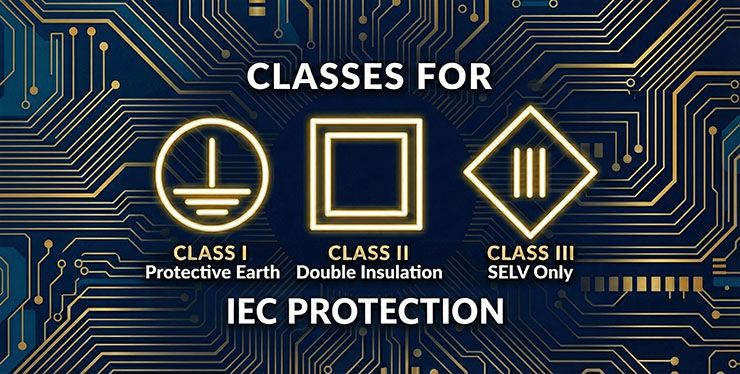
Class I: Safety Through Protective Earth
Core safety concept
Safely directing hazardous voltage to earth rather than to the user.
Operating principle
All accessible metal parts of the equipment are connected to Protective Earth (PE). If a single insulation failure occurs internally, the fault current flows through the PE path to earth, generating sufficient fault current to trigger a circuit breaker or fuse, which quickly disconnects the power.
Design characteristics
- Requires a reliable, low-impedance grounding system
- Typically uses a three-wire AC input (L / N / PE)
- Often combined with metal enclosures for improved thermal and EMC performance
Typical applications
- Industrial automation equipment
- Machinery and control cabinets
- Telecom and networking systems
- EV charging and energy infrastructure
Design considerations
The safety of Class I equipment is highly dependent on grounding quality. If proper grounding cannot be ensured, the actual level of protection may be significantly reduced.
Class II: Double or Reinforced Insulation Without Earth
Core safety concept
Ensuring user safety even without protective earth.
Operating principle
Class II equipment relies on double insulation or reinforced insulation, providing at least two independent layers of protection between hazardous voltage and accessible parts. Even if one insulation layer fails, electric shock is still prevented; therefore, no protective earth connection is required.
Design characteristics
- Two-wire AC input (L / N)
- Identified by the double square symbol
- Higher requirements for creepage distance, clearance, and insulation materials
Typical applications
- Household appliances
- Consumer electronics
- Smart home and IoT devices
- Equipment operating unattended for extended periods
Design challenges
Because Class II safety depends entirely on insulation integrity, special attention must be given to:
- Strict insulation and mechanical design
- Limited flexibility in power density and thermal management
- Careful material selection to meet safety standards
Key Differences Between Class I and Class II
| Item | Class I | Class II |
| Shock protection method | Protective earth (PE) | Double / reinforced insulation |
| Protective earth required | Yes | No |
| AC input | L / N / PE | L / N |
| Installation environment | Controlled, industrial | Residential, uncontrolled |
| User access | Usually limited | Often directly accessible |
| Design focus | Grounding quality | Insulation structure |
Class III: Equipment Powered by SELV
Class III equipment operates exclusively on SELV (Safety Extra-Low Voltage). Because the equipment itself is not connected to mains voltage and operates within a safe low-voltage range, the risk of electric shock is extremely low under both normal and single-fault conditions.
Typical Class III applications
- Low-voltage sensors
- IoT end devices
- Battery-powered or DC-powered equipment
It is important to note that Class III equipment does not address mains-side protection. Overall system safety depends on whether the upstream AC-DC power supply complies with Class I or Class II Protection Class requirements.
As a result, in AC-DC power supply selection and system safety design, Protection Class considerations primarily focus on Class I and Class II.
How Should Engineers Choose the Right Protection Class?
During the early stages of product design, engineers should consider the following key factors:
- Can the installation environment guarantee reliable protective earth?
- Will users have direct access to the enclosure or terminals?
- What is the power level and thermal requirements?
- Which safety standards apply in the target market?
- Will the equipment operate unattended for long periods?
There is no universally superior Protection Class — only the one best suited to the specific application context.
Conclusion: Building Flexible Power Designs Around Protection Class
Protection Class is one of the most fundamental and critical aspects of power and system safety design. A clear understanding of the differences between Class I, Class II, and Class III enables engineers to establish appropriate safety architectures early, reducing redesign and certification risks while ensuring user safety and regulatory compliance.
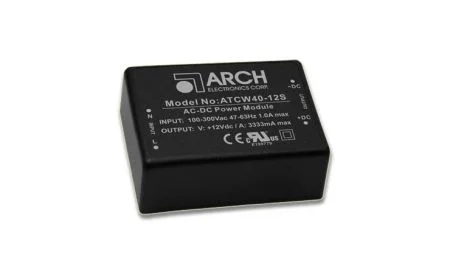
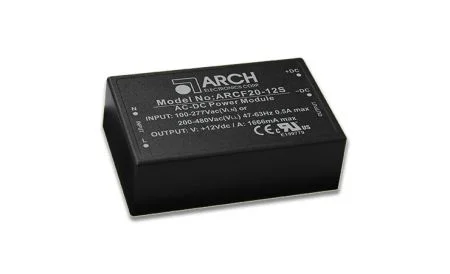
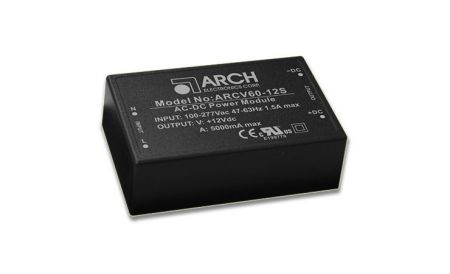
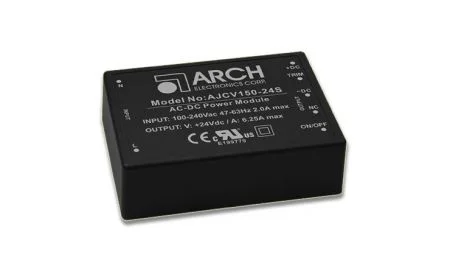
In practical applications, the majority of AC-DC power supplies from ARCH Electronics adopt Class II protection designs. By using double or reinforced insulation, these designs provide stable and reliable protection against electric shock without relying on protective earth. This approach is particularly well suited for household equipment, smart buildings, IoT systems, and applications that operate continuously in environments where installation conditions may not be fully controlled.
By incorporating Protection Class considerations into the core of power supply selection — and pairing them with highly flexible product designs — engineers can build systems that deliver safety, scalability, and long-term reliability across diverse applications.
- Explore More ARCH AC-DC Power Solutions
- Related Products
Protection Classes Explained: Understanding Class I, Class II, and Class III Electrical Safety Design | ARCH
The ARCH power supply blog shares practical guides on AC/DC design, EMC, safety approvals and thermal performance for real-world industrial and medical projects.
Each article is written for hardware engineers, project managers and buyers who need clear, vendor-backed explanations rather than generic theory.
Browse our latest posts to compare architectures, avoid common design mistakes and make more confident sourcing decisions for your next power platform.
Our Company Facts in Numbers
0
Years of Experience
0
Global Customers
0
Countries
0%
R&D Staff